We are rated as the Best SEO and Google Ads Agency of 2024. Check out our Google and Clutch reviews below.
 No fixed contract, just MONTH BY MONTH
Affordable and FAIR prices
Fast responses WITHIN hours
We love getting RESULTS
No fixed contract, just MONTH BY MONTH
Affordable and FAIR prices
Fast responses WITHIN hours
We love getting RESULTS


Best Website Structure for SEO (With Examples)
Your website structure is the backbone, holding your website together, ensuring every visitor and search engine crawler can find what they are looking for seamlessly.
Website structure is how your pages are organised and connected, creating a seamless navigation that improves user experience and online performance. It is important that you create an intuitive and friction-free user experience, focusing on information architecture and site structure.
There are four types of website structures you can choose from:
Every website should be designed with a structure in mind that aligns with the website's purpose and your audience.
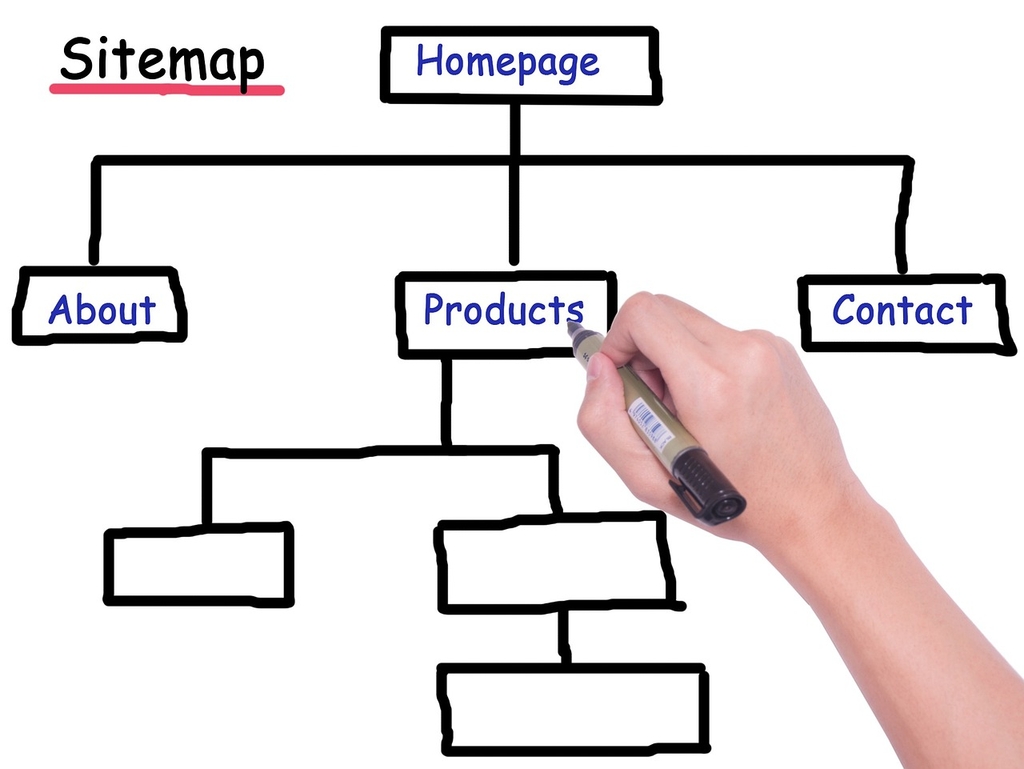
This is the most common website structure, also known as the tree model or website tree structure. It includes a home page, top level category pages, and then sub-pages with internal links connecting all the pages.
This is a simple top to bottom approach that starts from the main page. This is one you find in ecommerce websites to large corporations.
This website structure takes you on a step-by-step journey. Think of it as a guided tour of your website, also known as the linear structure. It moves the user along a logical path of actions, with each stop leading naturally to the next.
This website structure is often used by small businesses that have limited content. It helps to simplify decision making, while streamlining your visitors journey. It is best suited for simpler sites that have a clear online goal.
This is a network of pages that users follow. It is also known as the webbed website structure. The matrix website structure is easy for users to have an experience that aligns with their needs, providing them with the freedom to browse. This site structure is often seen in larger websites with interconnected content, enabling their visitors to browse their content freely.
Database website structure is also known as dynamic structure, a customisable form of optimisation. This relies on search functionality and user-defined pathways for navigation. It is commonly used by websites that share vast amounts of data or content, such as large ecommerce platforms, news websites, and online forums. This website structure enables visitors to navigate through relevant and customised paths, improving personalisation and user engagement.
Website structure is important to improve user experience and online performance. If your website provides a user friendly experience, it will keep your visitors engaged. A well-planned website architecture is essential to maximising your sites potential. If you are ready to improve your website structure to improve user experience and performance, to achieve long term and measurable results, Genie Crawl are here to assist. Backed by more than 10 years experience, we have developed and designed websites for SEO. Contact us now for a free, no obligation quote.

Genie Crawl carried out a detailed SEO audit for my tutoring website and explained everything in a clear and understandable way. I hired them straight away and since then I have seen a noticeable improvement in the traffic and leads coming to my website.

Awesome service, Tony and the team have been great with completing our website and meeting all the deadlines we set. They have lots of bright ideas and created so much value to our business. Our search engine rankings are now on the first page of the Google! We wouldn't have managed this without you guys!

Excellent service and great results with our Google Ads account. They are always there at the end of the phone when we need them and they are a friendly bunch of people to deal with. We are very happy with the results.

Genie Crawl has helped massively with my rankings as a business owner using SEO. My business is doing very well now, all thanks to them!

Genie Crawl is a very efficient company to work with; they were clear on what they felt they could offer and assisted me in improving my SEO rankings.

GenieCrawl was recommended to me for their SEO optimisation services and they have been great to work with. Our traffic jumped straight away and our business has gone from strength to strength thanks to their support.

I was really struggling to get my SEO ratings higher for my business, and my website noticed on google. Thanks to GenieCrawl and their excellent service and SEO knowledge, I was able to increase my rankings sufficiently and am now reaping the benefits of their optimizations. I would highly recommend their service if you are struggling with SEO rankings as I was.

As a new business start up we needed help driving traffic to our website. In all fairness this was an area we were all pretty clueless on. Genie Crawl have been invaluable to us and undoubtedly have been a driving force to increasing sales. They are always there with helpful advice when we need them. Thanks!

I was a little skeptical about hiring a company to help with the SEO for my website, but I am over the moon with my decision to work with Genie Crawl. They have really increased the traffic to my website and I would highly recommend them to everyone!

Fantastic company. They've been essential in getting us the business that we need. Would completely recommend. We've really found that our rankings have gone through the roof. SEO experts for sure! A+
Complete the form and a member of our team will be in touch shortly to discuss your enquiry.

© 2025 Genie Crawl. All Rights Reserved.


