
If your business already pays for SEO, being offered Answer Engine Optimisation can raise a reasonable question: what additional value are you getting?
By establishing technical tracking, targeting specific user intent, and optimizing for mobile speed, your new website will build a solid foundation for long-term organic traffic.

For years, businesses focused on designing a website for desktop computers, with mobile experiences seen as a secondary adaptation.

From real-time predictive analytics to generative content creation, AI is fundamentally restructuring how brands connect with consumers, optimize campaigns, and scale their operations.

In order to build a strong online presence for your business, you need a cohesive, authoritative digital marketing solution that attracts, engages, and converts your target audience.
By calculating realistic targets, focusing tightly on high-intent searchers, and cutting out waste through strict targeting, SMBs can build highly profitable ad campaigns that scale alongside their business.

When your cost-per-click (CPC) rates reach double or triple digits, throwing more budget at broad keywords is the fastest way to waste your marketing budget.
A/B testing is the most effective way to compare to adverts, identifying which performs better and which is the best choice to achieve your PPC results.

When it comes to paid advertising, such as Google Ads, many businesses focus on their ad copy, keywords, and bidding strategies, but overlook their landing pages.
The Google Ads quality score is a diagnostic tool, helping to identify the relevance and quality of your keywords, advert, and landing pages when compared to other advertisers.

Multi-channel digital marketing campaigns enable your brand to engage with your audience across numerous touch points from social media to SEO and PPC to email marketing.
White hat link building is the process of acquiring backlinks from other websites using legitimate methods that align with Google's Webmaster Guidelines.

Building authority is more than creating content, it's strategically engaging your audience to build trust, demonstrating your expertise, while creating meaningful connections.
Digital PR supports your SEO efforts, boosting brand awareness. It is highly effective in ensuring thought leadership pieces are published, reaching the right audience.

There are a wide range of platforms designed for business marketing and choosing the right one depends on your goals and marketing needs.
Today's websites are focused on design, user experience (UX), and functionality, ensuring your website visitors have a seamless experience and has a positive impact on your SEO performance.

Each day millions of people rely on their smartphones and tablets, along with laptops and desktop computers to access the internet and browse websites.
Digital marketing focuses on attracting, engaging, and converting your potential customers, while your website development provides a strong foundation that makes all of this possible.
When your contact list is brimming with a lot of names that have no real interest in your offerings, you are wasting valuable time, money, and energy chasing a dead end.
Turning your website visitors into paying customers is more than gaining website traffic, it's optimising their entire experience while visiting your site.

Lead generation funnels are paths that move your potential customers from making first contact to sharing their information, while slowly encouraging them to make a purchase.
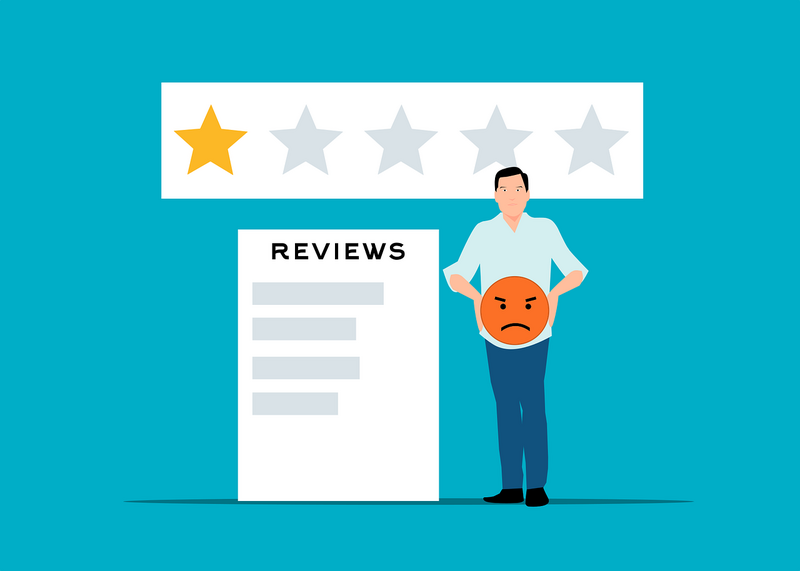
Every business is going to receive negative reviews from time to time, you cannot stop it. How you handle it determines your business credibility, along with customer loyalty.
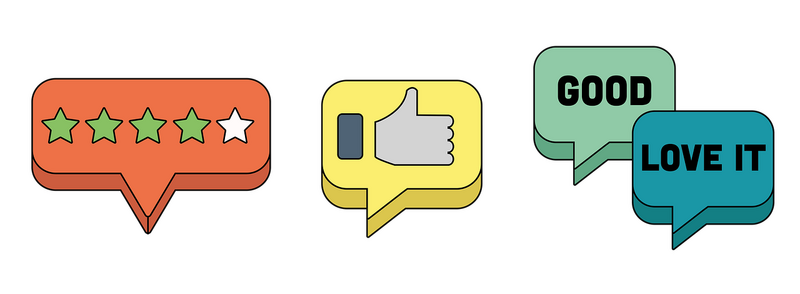
Positive reviews play a major role in influencing consumer behaviour, from when they first discover your product or service, to their final purchasing decision.
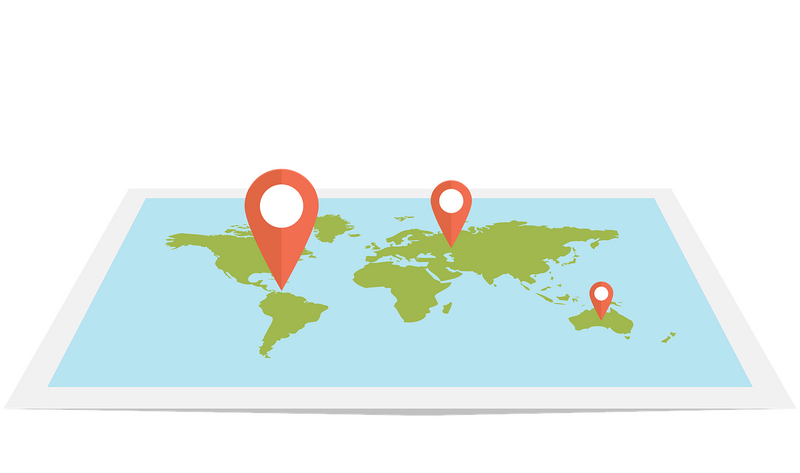
Citation building is essential to your local SEO success. When your citations are accurate and consistent across the web, it is the fastest way to improve your local SEO performance.

Genie Crawl carried out a detailed SEO audit for my tutoring website and explained everything in a clear and understandable way. I hired them straight away and since then I have seen a noticeable improvement in the traffic and leads coming to my website.

Awesome service, Tony and the team have been great with completing our website and meeting all the deadlines we set. They have lots of bright ideas and created so much value to our business. Our search engine rankings are now on the first page of the Google! We wouldn't have managed this without you guys!

Excellent service and great results with our Google Ads account. They are always there at the end of the phone when we need them and they are a friendly bunch of people to deal with. We are very happy with the results.

Genie Crawl has helped massively with my rankings as a business owner using SEO. My business is doing very well now, all thanks to them!

Genie Crawl is a very efficient company to work with; they were clear on what they felt they could offer and assisted me in improving my SEO rankings.

GenieCrawl was recommended to me for their SEO optimisation services and they have been great to work with. Our traffic jumped straight away and our business has gone from strength to strength thanks to their support.

I was really struggling to get my SEO ratings higher for my business, and my website noticed on google. Thanks to GenieCrawl and their excellent service and SEO knowledge, I was able to increase my rankings sufficiently and am now reaping the benefits of their optimizations. I would highly recommend their service if you are struggling with SEO rankings as I was.

As a new business start up we needed help driving traffic to our website. In all fairness this was an area we were all pretty clueless on. Genie Crawl have been invaluable to us and undoubtedly have been a driving force to increasing sales. They are always there with helpful advice when we need them. Thanks!

I was a little skeptical about hiring a company to help with the SEO for my website, but I am over the moon with my decision to work with Genie Crawl. They have really increased the traffic to my website and I would highly recommend them to everyone!

Fantastic company. They've been essential in getting us the business that we need. Would completely recommend. We've really found that our rankings have gone through the roof. SEO experts for sure! A+
Complete the form and a member of our team will be in touch shortly to discuss your enquiry.

© 2025 Genie Crawl. All Rights Reserved.


