We are rated as the Best SEO and Google Ads Agency of 2024. Check out our Google and Clutch reviews below.
 No fixed contract, just MONTH BY MONTH
Affordable and FAIR prices
Fast responses WITHIN hours
We love getting RESULTS
No fixed contract, just MONTH BY MONTH
Affordable and FAIR prices
Fast responses WITHIN hours
We love getting RESULTS



Going viral is a major achievement when it comes to social media marketing. Video content can boost your brand visibility, attracting thousands, if not millions, of followers, boosting engagement.

Voice search has transformed search engine optimisation (SEO) in 2025. We live in a world where your spoken words can connect you to the information you are searching for.
In today's vast digital marketing landscape, businesses are always looking for new and innovative ways to engage with their audience.
The search landscape has evolved with zero click searches and AI overviews. With AI-generated summaries, offering direct answers that appear at the top of search results, users do not need to click and visit a website to find the information that they need.

Both short-form and long-form content works in 2025. The one you choose should be determined on your audience and business goals.

With the rise of AI for content creation, it has changed SEO as we know it. While it may be convenient and speed up the content creation process, it's essential to focus on quality, uniqueness, and user intent.

When you understand and implement E-E-A-T, you can build a strong SEO strategy that provides long-term and sustainable results. Focus on Experience, Expertise, Authoritativeness, and Trustworthiness when creating content.

AI-generated content has skyrocketed over the past year, but one of the biggest questions when using Artificial Intelligence (AI) is ensuring you meet ethical concerns.
Search Generative Experience (SGE) is an AI-powered feature of Google creating detailed and conversational responses to queries. It analyses and synthesises information, collected from numerous websites across the internet.

Search engine optimisation (SEO) is constantly evolving, yet the main objective has always about understanding and optimising for search engine algorithms.
ChatGPT is only as effective as the information you provide it with. You need to educate and pre-inform it, in order to get the desired results.

The search engine optimisation (SEO) industry has been having a lot of debate lately about machine learning and what the process is. Machine learning comprises of three sections; data, maths, intuition.
We live in digital world that is constantly evolving. One of the biggest changes in search engine optimisation (SEO) has been the rise of zero-click searches, a behaviour that is having a major impact on SEO strategies.

Conversational artificial intelligence (AI) has evolved exponentially over the past few years with AI assistants entering the digital realm.
Google's AI search results, Search Generative Experience (SGE) generates an answer to a query, summarising information from a number of selected web pages to provide an accurate and relevant result.

As artificial intelligence (AI) takes centre-stage in the SEO world, there are numerous AI-powered SEO tools that promise to enhance your strategy, driving your business to success.

There is no doubt that artificial intelligence (AI) is transforming search engine optimisation (SEO). It has revolutionised how businesses approach SEO.

2025 is expected to be a transformational year when it comes to pay per click (PPC) advertising, as campaigns become automated and diversified.

Many business owners and marketers feel they have less control over their search engine optimisation than their paid search, which is why many invest in channels they can control, even if they tend to be expensive and provide a lower return on investment.

AI Overviews have improved in 2025, playing a major role in user satisfaction and engagement. It is expected that this year we will experience more AI Overviews in search results.
Are you wanting to know if AI-generated content will hurt your search engine optimisation (SEO) efforts? When done correctly, AI-generated content can be beneficial, yet there is no simple yes or no answer to your question.

Successful pay-per-click (PPC) campaigns require planning, testing, and ongoing optimisation. There are so many different elements to bear in mind from your keyword research to targeting, along with bids and your advert copy, and much more.

Retargeting ads can be useful in boosting conversions. It is an opportunity to remind people about their interest, reconnecting with them at the right time.
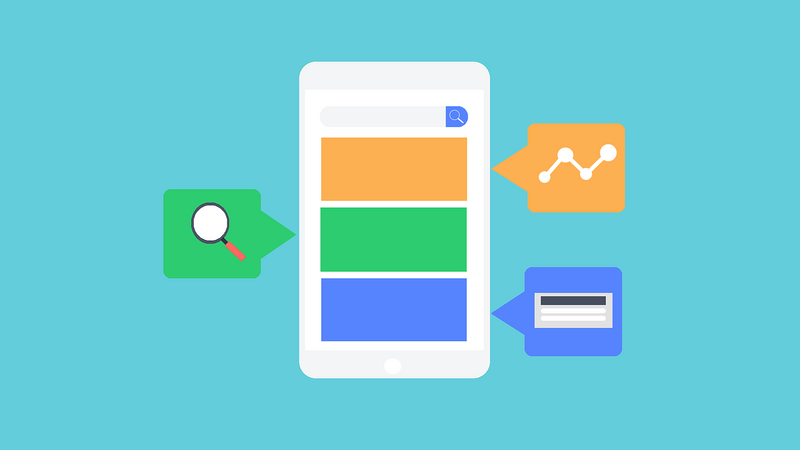
When your landing pages are well designed and optimised, it provides you with an opportunity to make a great first impression on your potential customers.

Genie Crawl carried out a detailed SEO audit for my tutoring website and explained everything in a clear and understandable way. I hired them straight away and since then I have seen a noticeable improvement in the traffic and leads coming to my website.

Awesome service, Tony and the team have been great with completing our website and meeting all the deadlines we set. They have lots of bright ideas and created so much value to our business. Our search engine rankings are now on the first page of the Google! We wouldn't have managed this without you guys!

Excellent service and great results with our Google Ads account. They are always there at the end of the phone when we need them and they are a friendly bunch of people to deal with. We are very happy with the results.

Genie Crawl has helped massively with my rankings as a business owner using SEO. My business is doing very well now, all thanks to them!

Genie Crawl is a very efficient company to work with; they were clear on what they felt they could offer and assisted me in improving my SEO rankings.

GenieCrawl was recommended to me for their SEO optimisation services and they have been great to work with. Our traffic jumped straight away and our business has gone from strength to strength thanks to their support.

I was really struggling to get my SEO ratings higher for my business, and my website noticed on google. Thanks to GenieCrawl and their excellent service and SEO knowledge, I was able to increase my rankings sufficiently and am now reaping the benefits of their optimizations. I would highly recommend their service if you are struggling with SEO rankings as I was.

As a new business start up we needed help driving traffic to our website. In all fairness this was an area we were all pretty clueless on. Genie Crawl have been invaluable to us and undoubtedly have been a driving force to increasing sales. They are always there with helpful advice when we need them. Thanks!

I was a little skeptical about hiring a company to help with the SEO for my website, but I am over the moon with my decision to work with Genie Crawl. They have really increased the traffic to my website and I would highly recommend them to everyone!

Fantastic company. They've been essential in getting us the business that we need. Would completely recommend. We've really found that our rankings have gone through the roof. SEO experts for sure! A+
Complete the form and a member of our team will be in touch shortly to discuss your enquiry.

© 2025 Genie Crawl. All Rights Reserved.


