
As you know, the more you use the internet, the faster you expect websites to load. We live in a fast paced world, and this means that your website visitors don't want to sit around and wait for your website to load.
Website heatmaps provide an effective way to visualise and analyse large datasets. Website heatmaps offer a powerful way to understand what visitors do when they are on your website. This includes how far they scroll, what they engage with, where they click, and more.
Companies are relying on various search engine optimisation strategies to be visible to their audience on the internet. Schema markup is one of the powerful tools available, yet often is unused.
Websites are visited by potential customers to find valuable information, products and services. Google Analytics is like a magic tool that provides you with everything you need to know about your website. There are some excellent benefits to using this tool, helping you understand your website and boost your business growth.
Social media is essential in the digital marketing world with hashtags being centre stage. These are simple words that follow the hashtag symbol (#). They are exceptionally powerful, transforming the way we navigate and engage on social media.
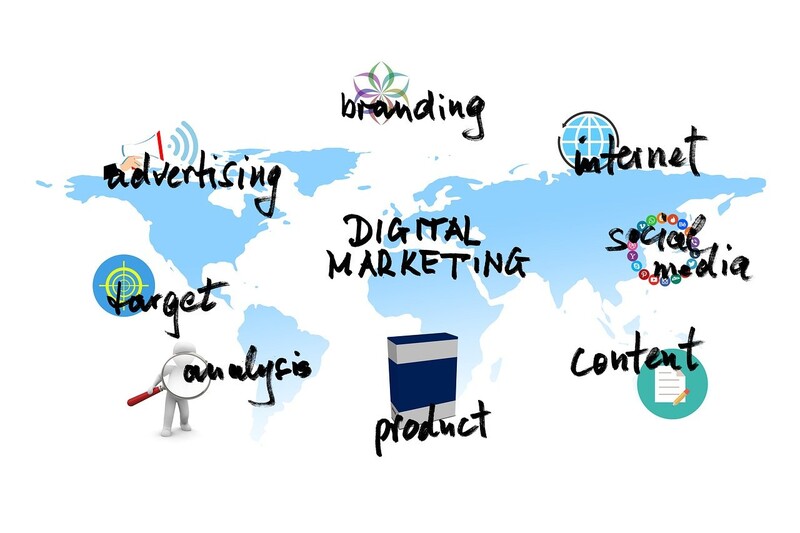
The digital marketing world is constantly changing and growing. The internet has provided us with new tools and technologies, with more being introduced by the day. As a result, new trends are constantly emerging.

More businesses are using influencer marketing to boost brand awareness than in the past. Influencer marketing helps you reach a new audience by partnering with popular social media figures who promote products and services to their followers.
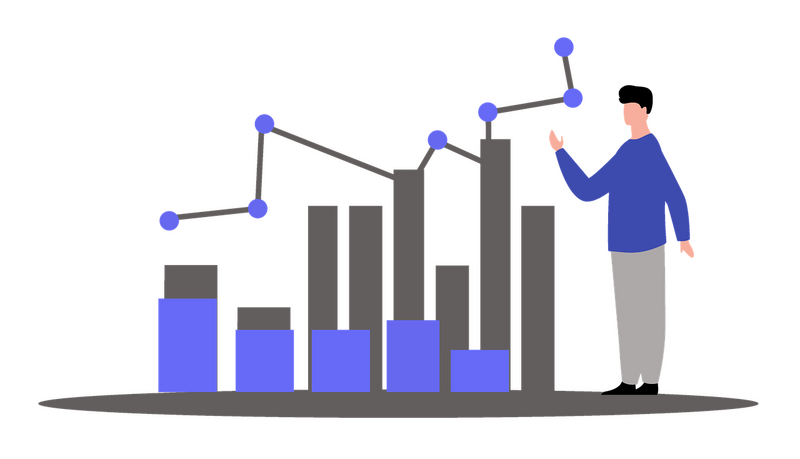
Analytics are essential tooks for business growth. They are essential in driving your marketing campaign performance, providing valuable insights into understanding your target audiences, enabling you to optimise your marketing campaigns and improve return on investment.

A/B testing is also known as split testing. It is the most effective way to optimise your digital marketing campaign. It is a valuable tool for digital marketers. A/B testing provides a wealth of benefits for digital marketing campaigns:

Your landing pages are essential to the success of your business. When you improve landing page performance, it helps create an experience that visitors enjoy, boosting conversions, turning them from visitors into paying, loyal customers.

Social media managers need to look to the future and be ready for any changes. At the same time, they need to focus on current social trends. There are a number of best practices to keep in mind when it comes to social media management.
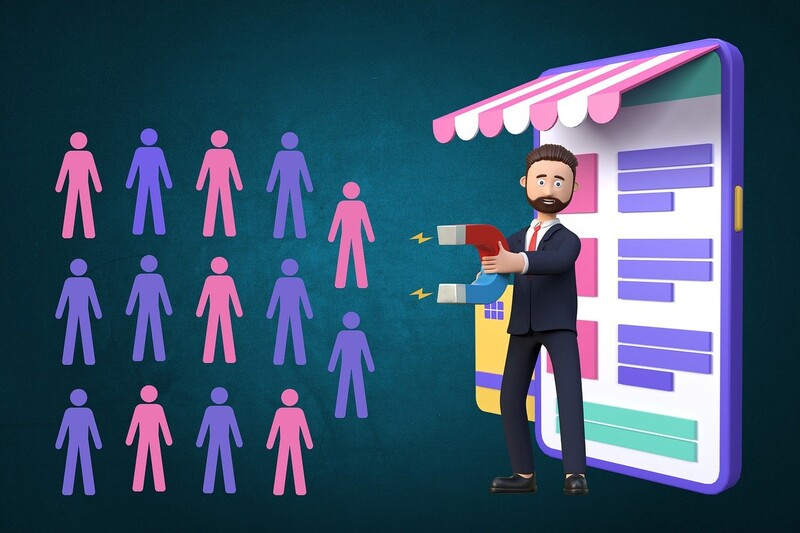
Lead generation is essential to every business, no matter your industry, location, or size. It is a process of attracting and identifying potential customers who are interested in the products and services you provide. Today we live in a competitive and fast paced market, which means that relying on traditional marketing methods do not work as effectively as they send to.

Before taking a closer look at how conversion rate optimisation (CRO) works, you need to have a better understanding of what it is. CRO is a process that increases the percentage of conversions from a mobile app or website. It involves generating ideal for site and app elements that are improved and A/B tested. It is about improving your user experience (UX) in order to boost conversions.
Did you know that ever email you create could contribute to improving customer retention? Rather than using emails to complete transactions, look at them as opportunities to grow connections and establish trust in each of your user interactions.
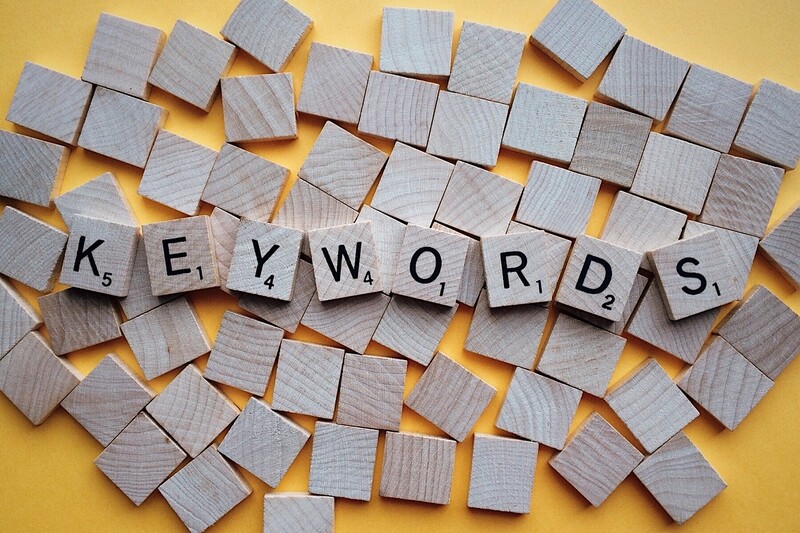
If you have recently searched online for keyword research tools, you are probably feeling very overwhelmed right now. There is no shortage of keyword research tools, maybe a few hundred, if not more. They range from beginner focused to advanced and from basic and unhelpful to vital and essential.

With the digital world constantly evolving, combined with busy lifestyles, more than forty percent of users will abandon a website that takes more than three seconds to load. Three seconds is not a long time, but this just shows how important technical SEO is to website optimisation. With technical SEO you improve your visibility and user experience (UX).
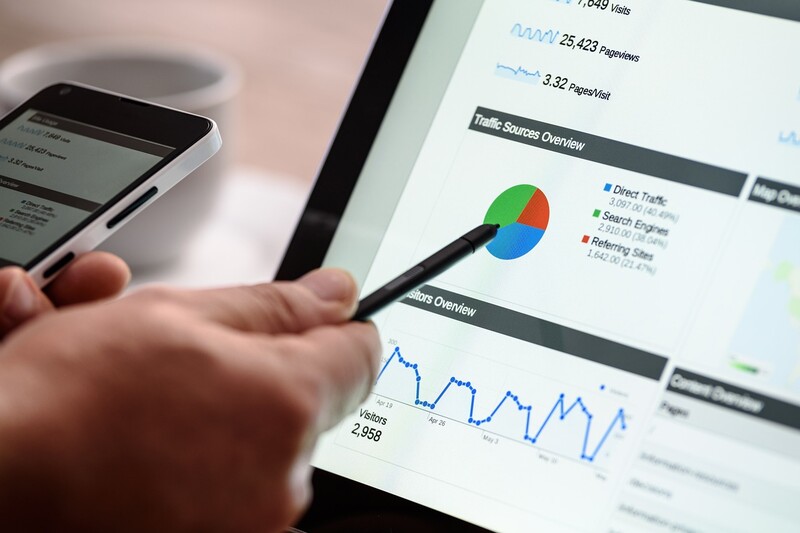
SEO audits are health checks for our website, helping you identify problems that could impact your ranking in Search Engine Results Pages (SERPs).
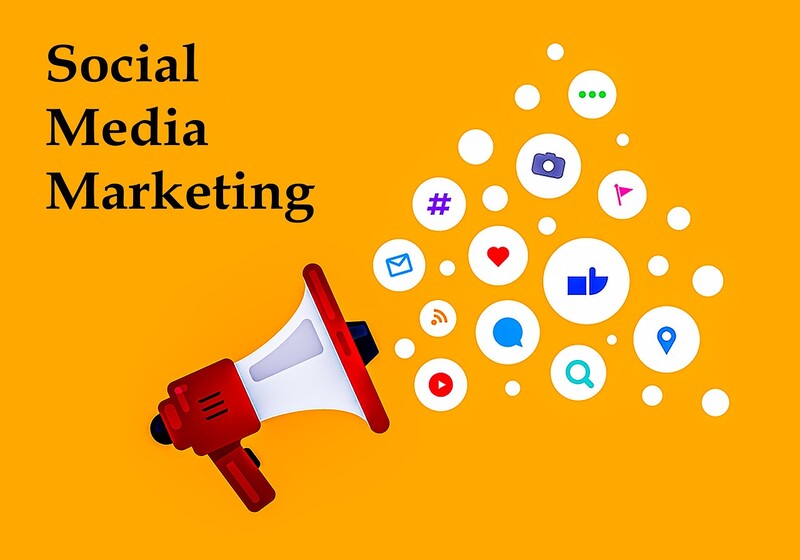
Social media has become an essential part of our daily lives. It is used for personal and business reasons with businesses seeing the importance of having a strong online presence across numerous social media platforms.
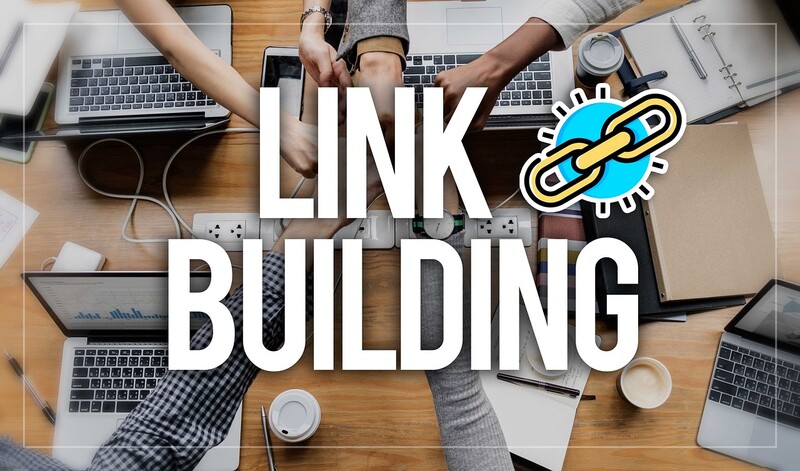
Imagine if there was a way to position your content at the top of search engine results pages (SERPs)? A study carried out on 11.8 million web pages found that ninety five percent of the pages analysed did not have a piece of content that stood out enough in search engines. By securing only one backlink, you already set your content apart from other pages.

The aim of having a responsive website is to provide a seamless and visually appealing user experience across all devices. This ensures that whether your visitors are using a computer, tablet, or smart phone, they can enjoy a seamless experience when visiting your website.

Statistics have proven that close to ninety percent of online shoppers will not return to a website where they had a bad user experience. This proves that user experience (UX) is not something you can ignore.

Ready-made software is general software that can work across all industries. In order to ensure things work seamlessly, custom app development is needed. Custom app development provides you with the tools you need to make tasks easier, faster, and improve user experience.

It is vital to ensure that you understand the importance of user interface (UI) when it comes to the usability of your website. When executed properly, user interface can have a positive impact on your user engagement. It has been proven that user interface (UI) design is fundamental to user engagement.

It is essential in today's digital world to have a website, whether your business website or eCommerce store, that is efficient, fast, and user friendly. Even though it's imperative to be visible on the internet, a large portion of small businesses do not have websites, making it very difficult to reach their target audience.

Genie Crawl carried out a detailed SEO audit for my tutoring website and explained everything in a clear and understandable way. I hired them straight away and since then I have seen a noticeable improvement in the traffic and leads coming to my website.

Awesome service, Tony and the team have been great with completing our website and meeting all the deadlines we set. They have lots of bright ideas and created so much value to our business. Our search engine rankings are now on the first page of the Google! We wouldn't have managed this without you guys!

Excellent service and great results with our Google Ads account. They are always there at the end of the phone when we need them and they are a friendly bunch of people to deal with. We are very happy with the results.

Genie Crawl has helped massively with my rankings as a business owner using SEO. My business is doing very well now, all thanks to them!

Genie Crawl is a very efficient company to work with; they were clear on what they felt they could offer and assisted me in improving my SEO rankings.

GenieCrawl was recommended to me for their SEO optimisation services and they have been great to work with. Our traffic jumped straight away and our business has gone from strength to strength thanks to their support.

I was really struggling to get my SEO ratings higher for my business, and my website noticed on google. Thanks to GenieCrawl and their excellent service and SEO knowledge, I was able to increase my rankings sufficiently and am now reaping the benefits of their optimizations. I would highly recommend their service if you are struggling with SEO rankings as I was.

As a new business start up we needed help driving traffic to our website. In all fairness this was an area we were all pretty clueless on. Genie Crawl have been invaluable to us and undoubtedly have been a driving force to increasing sales. They are always there with helpful advice when we need them. Thanks!

I was a little skeptical about hiring a company to help with the SEO for my website, but I am over the moon with my decision to work with Genie Crawl. They have really increased the traffic to my website and I would highly recommend them to everyone!

Fantastic company. They've been essential in getting us the business that we need. Would completely recommend. We've really found that our rankings have gone through the roof. SEO experts for sure! A+
Complete the form and a member of our team will be in touch shortly to discuss your enquiry.

© 2025 Genie Crawl. All Rights Reserved.


