
The one thing about search engine optimisation (SEO) that you can rely on, is content remains king.
These days search engine optimisation (SEO) is essential to improve your website visibility, drive organic and quality traffic to your website, boost user engagement, and improve conversions.

Search engine algorithms are changing constantly. In fact, Google alone updates their algorithms up to six hundred times each year.

Have you started using a pay per click (PPC) campaign and it's working, yet you still are not seeing the results you were hoping for?
Google Ads are a great source of traffic for any business, but it is one of the most complicated platforms to manage.
By A/B testing Google ads, you can optimise your advert performance, maximising your return on investment.

Mobile Responsive Ads are a relatively new trend in the digital marketing industry. These adverts adjust to the device the user is using and can be seen on desktop computers, mobile phones, and tablets.
One of the most important factors to determine your website ranking is backlinks. It is an important part of any successful search engine optimisation (SEO) strategy, but it's important to note that not all backlinks are equal.

Did you know the majority of website visitors will discard a website that takes more than three seconds to load?
Meta tags are essential pieces of code that describe the content and information appearing on your web page to search engines.

Anyone that wants to achieve success online will need to apply the best SEO strategies.
These days websites have become an essential part of any successful business. Website success, however, is influenced by more than high quality content and a beautiful design, in fact it relies on you optimising your site for performance.

In 2024, website visitors expect your site to load quickly. Slow loading sites increase your bounce rate, with potential customers leaving your site and moving onto a competitor website, which results in a serious loss of potential conversions.
The demand for fresh and new content has exploded. Blog posts, videos, social media updates, website content, and more.
You cannot ignore how important SEO is to your business growth in 2024. The world changed dramatically during the pandemic a few years ago, changing consumer behaviour, driving the digital market forward.
How do you optimise a website for search engine ranking? It is a long-term strategy that requires ongoing monitoring and adjusting in order to achieve success.

In 2024, companies are all focusing on showing up as one of the first results in Google search results.
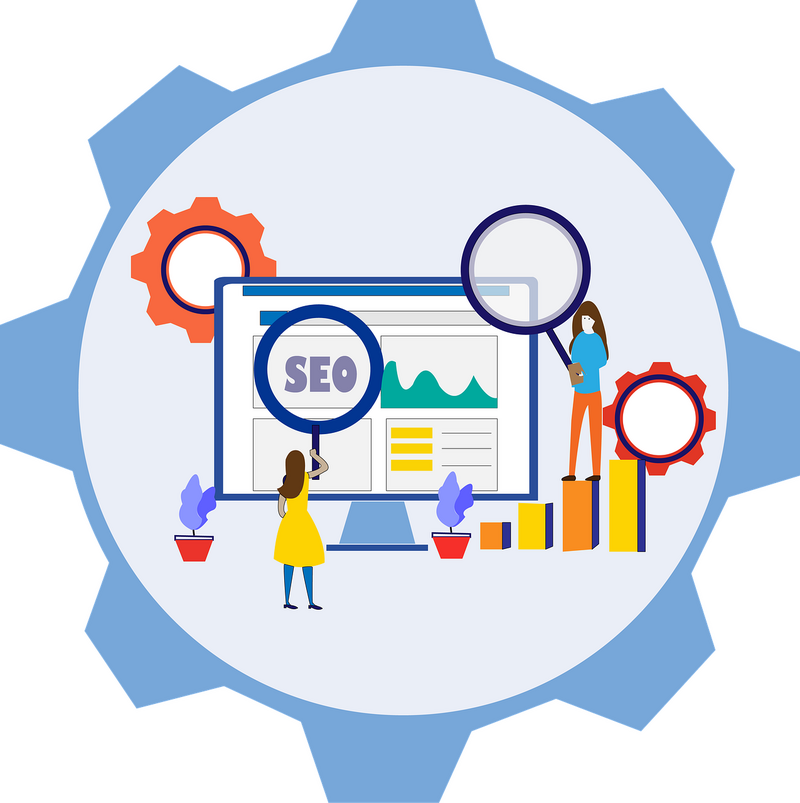
Have you designed a professional and beautiful website for your business, but you are struggling to get traffic to your site?
Search engine optimisation (SEO) is a complex process that requires you take steps to rank your website or content at the top of search engine results pages (SERPs).
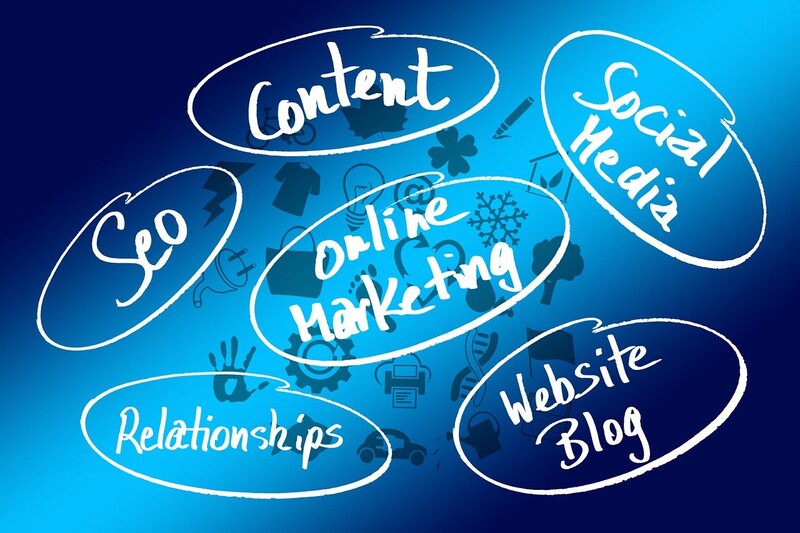
Search engine optimisation (SEO) is an essential part of any successful online marketing strategy, helping you build long-term credibility, while reaching your target audience.

Search engine optimisation (SEO) is an important factor when it comes to online visibility. It involves optimising your website to improve your ranking in search engine results pages (SERPs) using relevant keywords and phrases.
Having a strong online presence is essential for any business in today's digital landscape. Search engine optimisation (SEO) is essential, helping you stand out against your competitors, reach your target audience, and drive organic traffic to your website.

When you own a local business, you will struggle to be noticed by your audience, if you are not optimising your website for local search.
Search engine optimisation (SEO) has evolved considerably over the past few years. It's main role is to improve ...

Genie Crawl carried out a detailed SEO audit for my tutoring website and explained everything in a clear and understandable way. I hired them straight away and since then I have seen a noticeable improvement in the traffic and leads coming to my website.

Awesome service, Tony and the team have been great with completing our website and meeting all the deadlines we set. They have lots of bright ideas and created so much value to our business. Our search engine rankings are now on the first page of the Google! We wouldn't have managed this without you guys!

Excellent service and great results with our Google Ads account. They are always there at the end of the phone when we need them and they are a friendly bunch of people to deal with. We are very happy with the results.

Genie Crawl has helped massively with my rankings as a business owner using SEO. My business is doing very well now, all thanks to them!

Genie Crawl is a very efficient company to work with; they were clear on what they felt they could offer and assisted me in improving my SEO rankings.

GenieCrawl was recommended to me for their SEO optimisation services and they have been great to work with. Our traffic jumped straight away and our business has gone from strength to strength thanks to their support.

I was really struggling to get my SEO ratings higher for my business, and my website noticed on google. Thanks to GenieCrawl and their excellent service and SEO knowledge, I was able to increase my rankings sufficiently and am now reaping the benefits of their optimizations. I would highly recommend their service if you are struggling with SEO rankings as I was.

As a new business start up we needed help driving traffic to our website. In all fairness this was an area we were all pretty clueless on. Genie Crawl have been invaluable to us and undoubtedly have been a driving force to increasing sales. They are always there with helpful advice when we need them. Thanks!

I was a little skeptical about hiring a company to help with the SEO for my website, but I am over the moon with my decision to work with Genie Crawl. They have really increased the traffic to my website and I would highly recommend them to everyone!

Fantastic company. They've been essential in getting us the business that we need. Would completely recommend. We've really found that our rankings have gone through the roof. SEO experts for sure! A+
Complete the form and a member of our team will be in touch shortly to discuss your enquiry.

© 2025 Genie Crawl. All Rights Reserved.


